
If moving water is the feature that attracts you to a spa, identify the actual activity before booking. Floating in a pool, receiving a shower-based body treatment and entering a facility with water amenities are different experiences. A broad word such as hydrotherapy does not establish which one is included. Choose from a description of what happens, not from water imagery alone.
Water can be the setting or part of the service
A photograph of water can suggest several appealing things at once: warmth, sound, movement, privacy or a break from everyday surroundings. The viewer may supply the rest of the experience from memory. Someone who enjoys hotel pools might imagine swimming; someone familiar with a bath circuit might imagine moving between different areas. Those expectations need to be checked against the business’s actual offering.
Start by identifying whether the purchase is time in a space or a particular appointment. Facility admission may involve rules and amenities quite different from a practitioner-led service. A named treatment may include water only during part of the session. The word spa does not resolve these differences, and one business’s use of a term should not be assumed to define another’s.
Then consider what kind of water experience is wanted. Being supported in a float pool is different from feeling water cascade over the body. Watching water, hearing it, being immersed in it and receiving a rinse are distinct activities. A buyer who names the attraction precisely can often recognize a mismatch before spending time comparing packages.
There is no need to attach a health explanation to that attraction. Enjoying the sound or feeling of moving water is a personal preference. A leisure purchase can be based on it without claiming that one format provides a specific therapeutic effect. Keeping the goal concrete makes the service easier to evaluate on its own terms.
A Vichy appointment includes more than a shower
Read the complete body-treatment description when considering a Vichy service. For a local example, Azure Aqua Spa’s Vichy treatment descriptions explain offerings that combine exfoliation with warm cascading water in Kitchener-Waterloo. The menu includes a Vichy scrub and other named body treatments. That establishes a more specific activity than simply spending time near a shower.
Additional named treatments can contain different components, so the shared water feature does not make them interchangeable. Ask which steps belong to the exact option under consideration. If the water is the main attraction, find out how it fits into the overall appointment and what else is involved. A longer name or a more elaborate description is not automatically closer to that preference.
Pay attention to the difference between a plain-language process and promotional benefit wording. Exfoliation, product application and a water rinse describe actions that can be explained. Broader statements about healing or transformation require a different standard of evidence. A buyer does not need to accept those statements to decide whether the described service sounds enjoyable.
If a package combines a Vichy treatment with another category, ask about the components separately. The presence of a float in a package does not turn the Vichy portion into pool time, and a water-based appointment does not automatically include unrestricted access to other amenities. Establish what the purchase covers before imagining how the visit will unfold.
Body contact belongs in the description
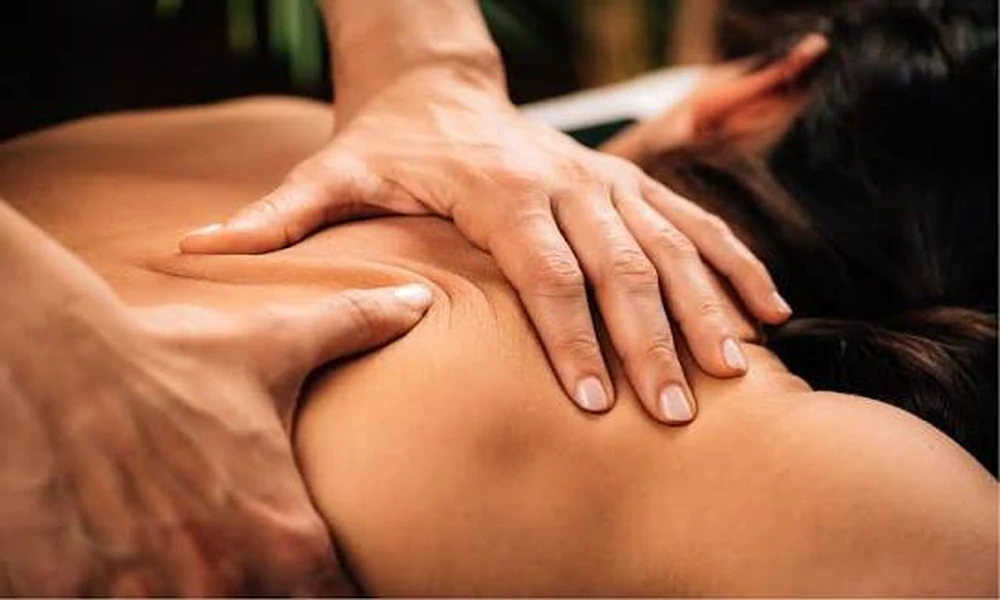
Someone attracted by the water may initially overlook the hands-on elements of a body treatment. Ask how products are applied, which areas are involved and what the provider does during each stage. These questions help distinguish a service that sounds appealing in the abstract from one the guest wants to receive.
Privacy and covering arrangements should be explained by the provider for the actual service. Do not infer them from a staged image or another guest’s description of a different appointment. A clear explanation before booking can be particularly useful for someone who has enjoyed pools but has never received a body treatment.
Scent and texture may be as significant as water movement. A menu may describe botanical ingredients, scrubs or wraps, but a service title is not a complete ingredient list. Raise known sensitivities and relevant concerns directly. If there is an unresolved health or skin question, obtain suitable professional advice rather than treating a soothing description as clearance.
Water temperature and other comfort details also belong in that conversation. Ask what can be adjusted and how to communicate during the appointment. Avoid assuming that a preference can always be accommodated; the provider needs to explain the service’s practical limits. Understanding those limits helps a guest choose before arriving.
For a shared appointment, each person should understand the same process and agree to their own participation. One guest may love moving water while the other is chiefly interested in spending time together. Those are compatible reasons only if both welcome the actual treatment. Enthusiasm for the outing should not be used to skip individual questions.
Buy the process you can picture
Before confirming, describe the appointment to yourself without using its promotional name. You should be able to say what the main activity is, whether it includes hands-on care, where the water appears in the process and what has been purchased. Any part that remains unclear is a useful question for the provider.
This does not require knowing every technical detail. A guest needs a practical understanding sufficient to choose, along with the relevant preparation and aftercare information. The provider remains responsible for explaining its service. The buyer’s role is to notice when an attractive label is being used to fill an information gap.
Sometimes the clearer description will lead away from the original idea. A person who mainly wants to spend time in a pool may discover that a body scrub is not what they had in mind. Another may realize that the practitioner-led treatment is precisely the appealing part. Either is a useful outcome from asking before booking.
Begin with the wanted sensation and finish with the named activity. If the attraction is warm water moving over the body, say that. If it is floating, say that instead. A small improvement in the words used to describe the wish can make a much larger difference to whether the chosen appointment matches it.